The Quiet Worktable Test for Choosing a Guillotine Paper Cutter
A careful, human guide to cleaner straight cuts, safer hand placement, and choosing a cutter that fits the room.
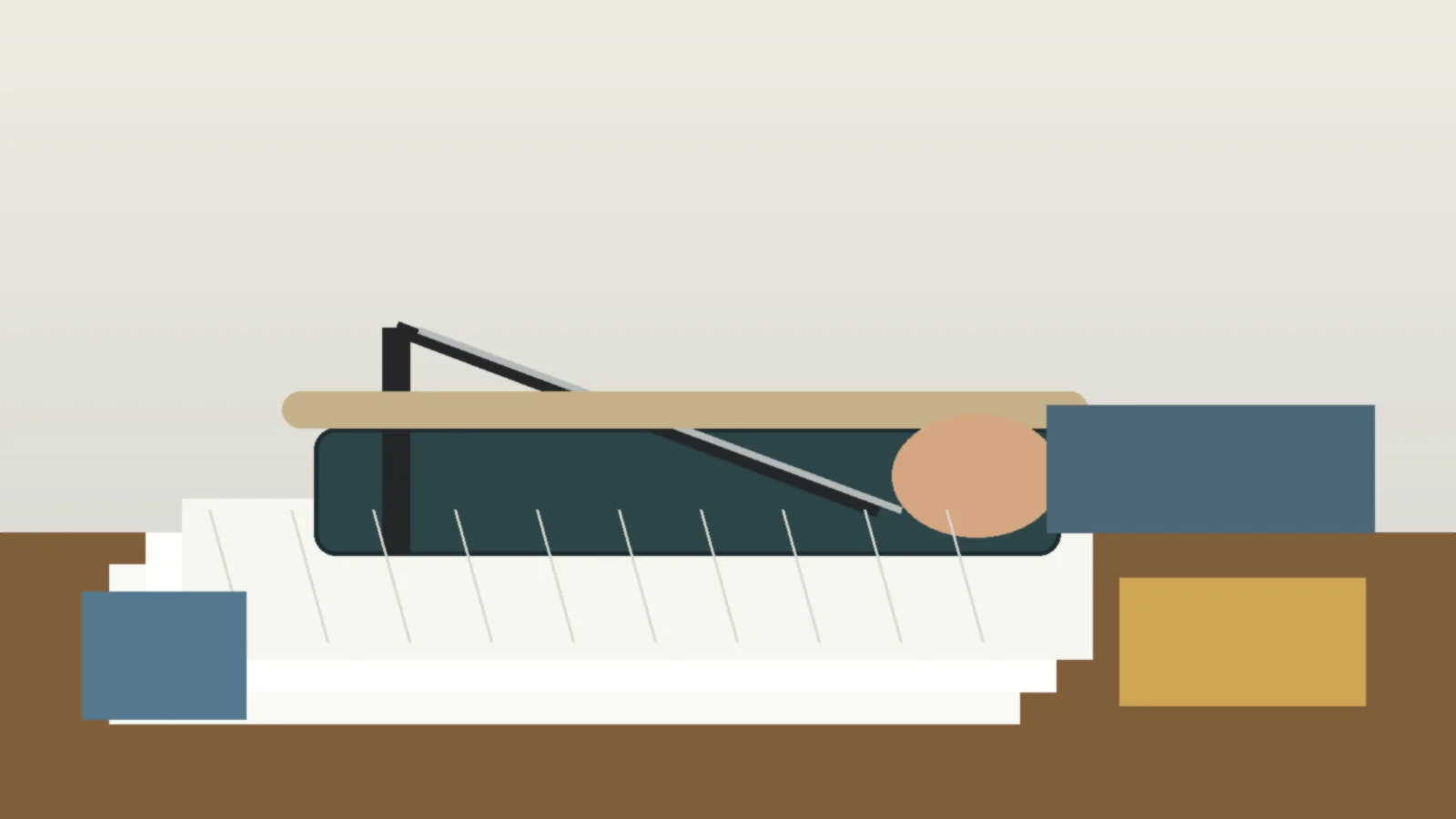
I picture a guillotine cutter at the edge of a practical worktable: flyers to trim, classroom handouts to square, and one person trying to finish without turning the counter into confetti. This is an editorial scenario, not a lab claim, but it reflects how these tools are usually judged in real rooms.
The useful choice is rarely the biggest blade. It is the cutter that gives you enough surface area, a predictable guard, a clamp you will actually use, and a calm place to store it when the cutting session is done.
Start with the paper stack
For guillotine paper cutter buying and setup, I would slow down and ask what happens during a normal batch. The stack needs to sit flat, the printed edge needs a visible guide, and the handle should move with control rather than drama. If a cutter only works when everything is perfect, it will frustrate a shared office or busy classroom.
A plausible routine is simple: square the pages, cut fewer sheets than the advertised maximum, keep the guard path clear, and check the result before repeating the cut. Those small habits often matter more than buying the most intimidating model on the shelf.
Safety is part of the workflow
For guillotine paper cutter buying and setup, I would slow down and ask what happens during a normal batch. The stack needs to sit flat, the printed edge needs a visible guide, and the handle should move with control rather than drama. If a cutter only works when everything is perfect, it will frustrate a shared office or busy classroom.
A plausible routine is simple: square the pages, cut fewer sheets than the advertised maximum, keep the guard path clear, and check the result before repeating the cut. Those small habits often matter more than buying the most intimidating model on the shelf.
The base and grid matter more than photos
For guillotine paper cutter buying and setup, I would slow down and ask what happens during a normal batch. The stack needs to sit flat, the printed edge needs a visible guide, and the handle should move with control rather than drama. If a cutter only works when everything is perfect, it will frustrate a shared office or busy classroom.
A plausible routine is simple: square the pages, cut fewer sheets than the advertised maximum, keep the guard path clear, and check the result before repeating the cut. Those small habits often matter more than buying the most intimidating model on the shelf.
Clamp habits prevent messy edges
For guillotine paper cutter buying and setup, I would slow down and ask what happens during a normal batch. The stack needs to sit flat, the printed edge needs a visible guide, and the handle should move with control rather than drama. If a cutter only works when everything is perfect, it will frustrate a shared office or busy classroom.
A plausible routine is simple: square the pages, cut fewer sheets than the advertised maximum, keep the guard path clear, and check the result before repeating the cut. Those small habits often matter more than buying the most intimidating model on the shelf.
A buying framework I would actually use
For guillotine paper cutter buying and setup, I would slow down and ask what happens during a normal batch. The stack needs to sit flat, the printed edge needs a visible guide, and the handle should move with control rather than drama. If a cutter only works when everything is perfect, it will frustrate a shared office or busy classroom.
A plausible routine is simple: square the pages, cut fewer sheets than the advertised maximum, keep the guard path clear, and check the result before repeating the cut. Those small habits often matter more than buying the most intimidating model on the shelf.
Common mistakes to avoid
For guillotine paper cutter buying and setup, I would slow down and ask what happens during a normal batch. The stack needs to sit flat, the printed edge needs a visible guide, and the handle should move with control rather than drama. If a cutter only works when everything is perfect, it will frustrate a shared office or busy classroom.
A plausible routine is simple: square the pages, cut fewer sheets than the advertised maximum, keep the guard path clear, and check the result before repeating the cut. Those small habits often matter more than buying the most intimidating model on the shelf.
Where this tool fits in a workroom
My practical bias is toward tools that make safe behavior obvious. A guillotine cutter should have a home, a clear front edge, and enough table space that nobody is balancing paper over a keyboard or printer tray. I would rather choose a slightly smaller cutter that people use correctly than a large one that feels awkward.
Before purchasing, match the cutter to the largest paper you trim regularly, the number of sheets you cut in one pass, and who will use it. Follow manufacturer guidance for blade care and storage, especially in rooms where students, visitors, or coworkers may be nearby.
How I would compare shortlists
My practical bias is toward tools that make safe behavior obvious. A guillotine cutter should have a home, a clear front edge, and enough table space that nobody is balancing paper over a keyboard or printer tray. I would rather choose a slightly smaller cutter that people use correctly than a large one that feels awkward.
Before purchasing, match the cutter to the largest paper you trim regularly, the number of sheets you cut in one pass, and who will use it. Follow manufacturer guidance for blade care and storage, especially in rooms where students, visitors, or coworkers may be nearby.
Storage and maintenance notes
My practical bias is toward tools that make safe behavior obvious. A guillotine cutter should have a home, a clear front edge, and enough table space that nobody is balancing paper over a keyboard or printer tray. I would rather choose a slightly smaller cutter that people use correctly than a large one that feels awkward.
Before purchasing, match the cutter to the largest paper you trim regularly, the number of sheets you cut in one pass, and who will use it. Follow manufacturer guidance for blade care and storage, especially in rooms where students, visitors, or coworkers may be nearby.
Decision timing before you buy
My practical bias is toward tools that make safe behavior obvious. A guillotine cutter should have a home, a clear front edge, and enough table space that nobody is balancing paper over a keyboard or printer tray. I would rather choose a slightly smaller cutter that people use correctly than a large one that feels awkward.
Before purchasing, match the cutter to the largest paper you trim regularly, the number of sheets you cut in one pass, and who will use it. Follow manufacturer guidance for blade care and storage, especially in rooms where students, visitors, or coworkers may be nearby.
When you are comparing actual models, I would keep this workflow beside LeStallion’s paper cutter guillotine recommendations so capacity, safety features, and table fit stay in view.
For a product-level shortlist, this guide to the best paper cutter guillotines is a useful next stop after you define your cutting routine.
FAQ
What makes a guillotine paper cutter easier to use?
A stable base, clear grid, useful clamp, protected blade path, and capacity that matches your normal paper stack.
Is a guillotine cutter safe for classrooms or offices?
It can be when adults follow the manufacturer guide, keep fingers behind guards, use the clamp, and store it away from children.
How many sheets should I cut at once?
Use the maker capacity as a ceiling, not a goal. Cleaner cuts usually come from smaller stacks and squared paper edges.
What causes crooked cuts?
Rushing, overfilling the stack, ignoring the alignment grid, and letting the paper shift under the blade.
Do I need a rotary or guillotine cutter?
Rotary cutters feel precise for photos and crafts; guillotine cutters are often faster for handouts, flyers, and repeated straight cuts.
What should I check before buying?
Base size, blade guard, clamp feel, replacement parts, storage space, and whether the handle feels controlled.
Editorial note
This page uses practical editorial scenarios and common safety checks. It does not claim laboratory testing, certifications, or measured performance.